How to Improve Customer Service in Your Cafe
Great customer service in a cafe rarely comes from a script. It comes from dozens of small choices that shape how guests feel from the second they walk in to the moment they leave. The way the line moves. The tone at the register. Whether the coffee arrives before irritation does. Whether a regular feels remembered or processed. People return to cafes for quality, but they stay loyal because of how the place makes them feel.
That matters even more in a business with thin margins and strong local competition. Most customers have options within a short walk or drive. If your espresso is solid but your service feels cold, rushed, or inconsistent, they will drift elsewhere. Not always dramatically. Usually quietly. One missed greeting turns into fewer visits. A poorly handled complaint becomes a lost office catering order. A chaotic morning rush trains people to skip your shop on weekdays.
Improving customer service does not require turning your cafe into a luxury hotel lobby. It requires clarity, consistency, and attention to friction points that owners and managers often stop noticing because they live with them every day. The best improvements are practical. They shorten wait times, reduce stress for staff, fix common customer frustrations, and make hospitality easier to deliver under pressure.
Start with the real customer journey
Many cafe owners evaluate service from behind the counter. Customers experience it from the doorway forward. Those are not the same perspective, and the difference matters.
Walk into your own cafe as if you have never been there before. Stand outside for a moment. Is it clear whether you are open? Can you tell where to order? Is the menu readable from the entrance, or do people have to shuffle forward under pressure and decide at the register? If there is a line, does it snake naturally or block the pastry case? If someone is picking up a mobile order, do they know where to go without interrupting the queue?
A surprising amount of poor service is not caused by bad attitudes. It is caused by bad flow. People get short with customers when the system creates confusion every five minutes. Customers feel ignored when staff are really trying to untangle operational clutter.
One of the most useful exercises is to map the visit in plain language: arrival, orientation, ordering, waiting, receiving, seating, follow-up, departure. At each stage, ask where guests hesitate, repeat themselves, look around, or become visibly impatient. Those moments are your Cafe service weaknesses. Fixing them usually improves both hospitality and speed.
In one small neighborhood cafe I worked with, the team believed customer complaints were mostly about wait times. After observing the floor for a week, the bigger issue was uncertainty. Guests did not know whether to bus their own table, where to collect drinks, or whether food would be delivered. The actual waits were acceptable, usually six to eight minutes in peak periods. The stress came from not knowing what was happening. A few signs, clearer verbal cues, and a dedicated pickup shelf changed the mood almost overnight.
Train for warmth that still feels genuine
Customers can tell when friendliness is forced. They can also tell when staff have never been taught what good service sounds like. Training should aim for a middle ground: warm, natural, and consistent enough that guests do not get wildly different experiences depending on who happens to be on shift.
That starts with simple expectations. Staff should acknowledge customers quickly, even if they cannot serve them immediately. A brief “we’ll be right with you” buys patience. Silence does the opposite. Eye contact matters. So does posture. So does voice. Many service problems that owners describe as “attitude issues” are really confidence issues. Newer employees often sound flat because they are trying not to make mistakes.
Role-play helps more than most managers expect, provided it is done without embarrassment. Practice a busy queue. Practice a wrong order. Practice a customer who is deciding between drinks. Practice an irritated guest who says their coffee is cold. If staff only learn during live pressure, they default to defensiveness or retreat.
Useful training points usually fit into a short set of principles:
- Acknowledge every guest quickly, even during a rush.
- Explain delays before customers have to ask.
- Confirm orders clearly, especially for custom drinks and allergies.
- Own mistakes without arguing, then fix them fast.
- End each interaction with a clean handoff, so the customer knows what happens next.
The wording staff use matters less than the intention behind it. One barista might naturally say, “I’ll bring that over when it’s ready.” Another might say, “You can grab that at the end of the bar.” Both can work if they are clear and attentive. Problems start when there is no shared service standard at all.
Speed matters, but clarity matters more than speed alone
Most cafe owners focus on getting drinks out faster, and rightly so. Long waits hurt. But speed without communication still feels bad. A guest who waits five minutes with no information often feels more annoyed than a guest who waits seven minutes after being told, “We’re about seven minutes behind on hot food right now.”
That is because people are better at tolerating delays than uncertainty. Your team should be taught to narrate the experience at key moments. Not constantly, not theatrically, just enough to keep customers oriented. “Food is running a little behind.” “We’re just steaming fresh milk for that.” “The kitchen is remaking your toast.” “If you’re dining in, we’ll bring it to your table.”
This becomes essential during rush periods. Morning cafe traffic is often compressed into a very tight window. Office workers, school drop-offs, gym crowds, and regulars all stack up at once. During those thirty or sixty minutes, perfect service is less about charm and more about calm control. Customers will forgive a lot if the staff look composed and informed. They become impatient when the room feels unmanaged.
One practical tactic is to assign communication roles during peak time. The person on the till focuses on greeting, taking clean orders, and setting expectations. The barista calls out meaningful updates. A floor person, if you have one, handles table touches, water refills, and small recoveries before they become complaints. Even in a small cafe, deciding who does what under pressure prevents the entire team from reacting instead of leading.
Fix the menu friction that slows service
Customer service begins before a word is spoken. A menu that is confusing, cluttered, or inconsistent creates poor interactions at the counter. Customers feel flustered. Staff repeat explanations all day. The line slows down. Tension rises.
A good cafe menu helps people decide quickly. It does not need to be minimalist, but it should be readable at a glance. Group drinks logically. Use familiar sizes. Make modifiers visible but not overwhelming. If certain items regularly trigger questions, either rewrite the description or train staff to give a short helpful prompt.
For example, if a signature drink includes an unusual syrup or spice profile, do not make guests drag that information out of your cashier. Build it into the menu wording. If your house sandwich comes on sourdough unless otherwise requested, say so. If oat milk costs extra, post it clearly. Hidden surprises feel like poor service, even when the product itself is good.
The same logic applies to pastry cases and grab-and-go displays. If labels are missing, prices are unclear, or staff have to answer “What is that?” twenty times an hour, service suffers. Good labeling is hospitality. So is making sure the gluten-free muffin is not sitting unmarked next to three lookalikes.
Teach staff how to read different kinds of customers
Not every guest wants the same style of attention. One regular loves a quick chat. Another wants their flat white, a nod, and a quiet corner. Excellent service in a cafe is not about performing friendliness at maximum volume. It is about reading cues and matching energy.
This skill takes maturity. Younger teams, especially in trendy or high-volume shops, sometimes overcorrect in one direction or the other. They either become too casual and insider-ish, which can alienate new customers, or too robotic, which drains warmth from the room. The sweet spot is respectful flexibility.
A parent with a stroller needs efficiency and physical space. An older guest may appreciate a slower explanation of the menu or help carrying a tray. Someone on a laptop for two hours may only need occasional eye contact and a clean nearby table. A tourist might want recommendations. A regular may want speed over novelty. The best teams notice these differences instinctively because they have been trained to observe, not just execute.
That does not mean making assumptions based on appearance. It means paying attention to behavior. Are they scanning the room? Offer direction. Are they glancing at their watch? Move with urgency and keep updates brief. Are they asking follow-up questions about beans, brew methods, or origin? That is a chance to show expertise without becoming pretentious.
Recovering from mistakes is where loyalty is won or lost
Every cafe makes mistakes. Milk gets switched. A croissant gets forgotten. A mobile order gets handed to the wrong person. The issue is not whether mistakes happen. The issue is how your team responds when they do.
Poor recovery follows a predictable pattern. The customer raises a problem. The staff member explains why it happened. The explanation sounds like a defense. The customer feels resisted. Now the problem is emotional, not logistical.
Good recovery is shorter and cleaner. Acknowledge the problem, apologize without overdramatizing, state the fix, then follow through fast. “Sorry about that, we’ll remake it right away.” That sentence resolves more situations than managers often realize. If the wait will be meaningful, say so honestly and offer a practical gesture when appropriate, perhaps refunding the add-on, replacing the pastry, or giving a drink voucher for next time.
Not every error requires compensation. Some require attention. Others require speed. Judgment matters. If a customer complains after drinking the entire beverage, the response may be different from a clear preparation error discovered immediately. Staff should know where their authority begins and ends, but that boundary should not be so tight that every minor issue needs a manager.
A cafe that handles problems with grace often looks stronger, not weaker. Guests remember the calm remake, the sincere apology, the way someone checked back at the table. They also remember eye-rolling, blame-shifting, and policies used like shields.
Service lives in the details customers rarely mention
Customers often struggle to articulate why one cafe feels better than another. They describe vibe, atmosphere, or friendliness. Underneath those words are operational details.
Clean tables are one of them. Few things damage perceived service faster than guests having to clear someone else’s cups before sitting down. Restroom condition matters too, far more than some owners admit. A spotless counter with a neglected restroom sends a confusing message about standards. Music volume shapes service perception as well. Too loud and conversations become strained. Too quiet and the room can feel tense.
Temperature, lighting, smell, and noise from equipment all play a role. If the blender roars beside the till and staff have to ask customers to repeat every order, service quality drops even when intentions are good. If the pastry case fogs up by midmorning, products look less appealing and questions increase. If takeaway lids are stored awkwardly and staff fumble for them, a tiny inefficiency repeats hundreds of times a week.
Owners sometimes dismiss these points as secondary to food and coffee quality. In reality, guests experience them all at once. Service is not just the human interaction. It is the environment supporting that interaction.
Build a culture where staff can actually serve well
A team cannot provide calm, generous service if they are under-supported, under-trained, and constantly firefighting. When customer service declines, managers often look first at front-line behavior. Sometimes the real problem sits backstage.
If schedules are too lean, employees rush and cut corners. If equipment is unreliable, small delays stack up until tempers fray. If one team member is chronically weak but never coached, stronger staff burn out covering for them. If managers only speak up when something goes wrong, morale drops and service gets brittle.
The best cafe teams usually have three things in common. They know what good service looks like, they have the tools to deliver it, and they feel respected while doing the work. Respect includes basics: fair rota planning, breaks that actually happen, clean workstations, and managers who step in during rushes rather than critique from a distance.
Recognition helps, too. Not cheesy employee-of-the-month posters, just specific praise tied to actual behavior. Tell a barista you noticed how they handled the queue when the card machine went down. Tell a server they recovered a difficult table well. Staff repeat what gets noticed.
One owner I know reduced complaints not by rewriting service scripts, but by changing the handover between opening and midmorning shifts. The old routine left milk stocks uneven, pastry labeling half-finished, and the first rush already behind. Staff started each day in a defensive mood. A tighter handover improved readiness, which improved confidence, which customers immediately felt.
Use regulars wisely, but do not build service only for insiders
Every successful cafe depends on regulars. They stabilize revenue, create atmosphere, and often become informal ambassadors for the business. Remembering their usual order can be powerful. So can greeting them by name. But there is a line between warmth and exclusivity.
New customers notice when staff are deep in conversation with regulars while the queue waits. They notice inside jokes. They notice when ordering feels like entering someone else’s club. A cafe should feel familiar to loyal guests and welcoming to first-timers at the same time.
Train staff to balance that well. A quick, warm acknowledgment of a regular is great. A two-minute conversation while three new guests stand unserved is poor service dressed up as community. The regulars who care about your business usually understand that.
There is also value in using regulars as a source of insight. They can tell you when service has changed, when wait times have crept up, or when a new layout confuses people. But do not rely only on them. Regulars adapt to your systems. New customers reveal what is unclear.
Make feedback easy to give, and easier to act on
Many cafes collect feedback badly. They either do nothing until a one-star review appears online, or they ask broad questions like “How was everything?” which usually produce polite, unhelpful answers.
Useful feedback is specific and timely. Managers should spend time on the floor observing reactions and asking targeted questions when appropriate. “Was it easy to find what you wanted on the menu?” “Did the wait feel okay today?” “Did you know where to collect your order?” Those questions uncover operational truths.
Online reviews matter, but they need interpretation. One complaint about slow service during an obvious Saturday rush may not mean much. Ten comments over six weeks about confused pickup orders probably do. Patterns matter more than isolated noise.
A simple rhythm works well:
- Pick one service metric to improve for the month, such as queue time or remake rate.
- Observe shifts in person and gather a few direct customer comments.
- Review the findings with staff, focusing on behaviors and systems, not blame.
- Test one or two changes, then measure again.
- Keep what works and drop what does not.
This keeps service improvement grounded. Without that discipline, teams bounce between vague goals like “be friendlier” and reactive fixes that disappear within a week.
Technology can help, but it cannot hide weak hospitality
Mobile ordering, digital menus, loyalty apps, and QR code systems can all improve service when they solve a real customer problem. They can also create distance if they are used to avoid staffing or cover for broken processes.
A mobile order shelf works when orders are labeled clearly, organized sensibly, and monitored so drinks do not sit too long. A digital loyalty program works when redemption is simple and staff understand it. Table ordering can reduce queues in some settings, but in others it makes the cafe feel transactional and strips away the human touch that people came for in the first place.
The question is not whether technology is modern. The question is whether it removes friction without creating new confusion. In many independent cafes, the strongest service gains still come from basics: visible menus, a clean pickup area, better line management, and staff who communicate well under pressure.
Improve one pressure point at a time
Trying to overhaul customer service all at once usually fails. The team gets overwhelmed, managers become inconsistent, and nothing sticks. Better results come from identifying the biggest pressure points and fixing them in sequence.
If your queue regularly backs up because customers cannot read the menu, start there. If complaints mostly come from forgotten food orders, look at kitchen ticket flow and handoff. If service feels uneven depending on who is on shift, focus on training and expectations. If your online ratings mention rudeness, do not assume the team is hostile. Watch the room. They may simply be overloaded.
This work requires honesty. Owners often say they want better service when what they really want is fewer complaints without changing staffing, layout, or management habits. Strong customer service is not magic performed by naturally cheerful employees. It is the product of design, training, leadership, and repetition.
A good cafe can recover from an average location. It can survive a larger competitor nearby. It can even weather occasional mistakes. What it cannot easily survive is a service experience that makes people feel like an inconvenience. Fix that, and almost every other part of the business gets easier. Guests return more often. Reviews improve. Staff have better shifts. Revenue becomes more Cafe predictable. The room starts to carry the kind of energy people seek out without quite knowing why.
That is the real goal. Not polished lines or forced smiles, but a cafe that runs with enough clarity and care that customers feel looked after naturally. When that happens, service stops being a weak point to manage and becomes one of the strongest reasons people choose you again tomorrow morning.
Bennies Cafe
17230 Jackson Creek Pkwy Ste 100, Monument, CO 80132
+1 719-445-0660
FAQ About Cafe
What is considered a café?
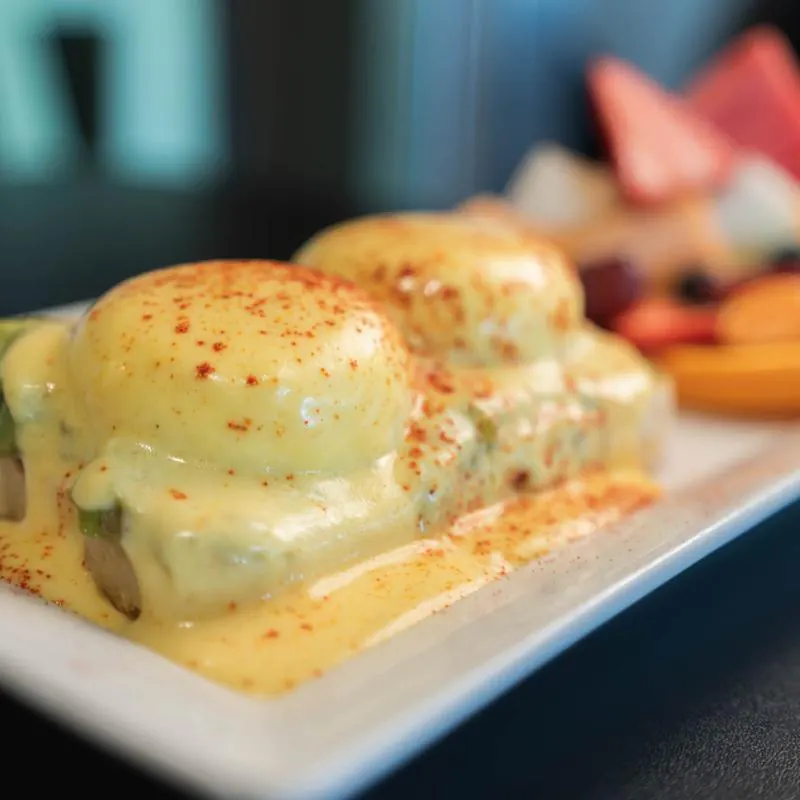
A café is generally an informal place to enjoy refreshments and a meal. Bennies Cafe in Monument serves breakfast and lunch in a counter-service setting, with options including eggs Benedict, sandwiches and crepes. Guests can eat in or arrange pickup.
What is the difference between a coffee shop and a café?
The terms often overlap. A coffee shop usually emphasizes coffee and other drinks, while a café may offer a broader food menu. Check the individual establishment's menu rather than relying on its name. Bennies Cafe offers coffee drinks alongside breakfast and lunch dishes.
What is the difference between café and coffee?
In everyday English, a café is a place where people buy food and drinks, while coffee is the beverage. The word café comes from the French word for coffee. Bennies Cafe serves options such as brewed coffee, espresso and lattes as part of its drinks menu.